
Bạch Hổ EXB-575
12,000,000 đ
2025-08-25 13:17:44
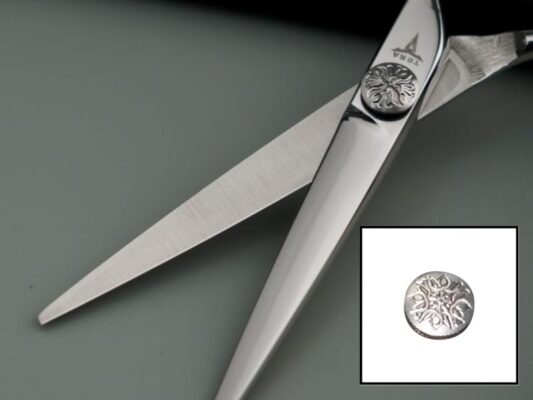
The shaft is the part that holds the two blades together, ensuring that they move evenly and do not deviate during the cutting process. In the shaft structure, each small part has a certain function. The main shaft holds the blades in place, helping them operate stably. The shaft hole is where flexible movement is created between the parts. The bearing helps reduce friction, while the nut and shaft groove help fix and direct the movement of the blades.
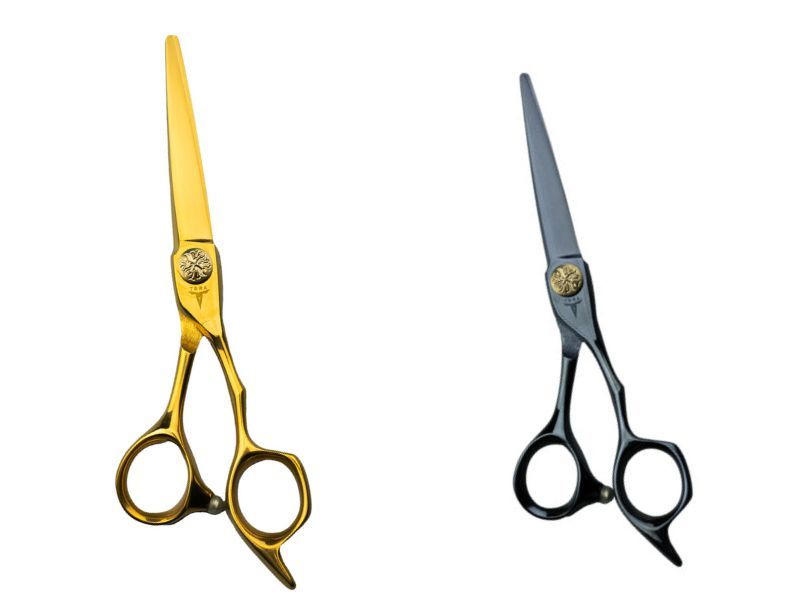
The harmonious combination of these details makes the scissors operate smoothly, precisely and safely. If any of these parts are misaligned, loose or worn – the quality of the cut will be significantly affected.
You don’t always need to check the bolts, but there are some telltale signs that you shouldn’t ignore. If your scissors start making strange “rattling” noises when you use them, that’s a clear warning that the bolts are misaligned. Or if you feel the scissors squeaking, the cut isn’t smooth, or your hair breaks while cutting – chances are the bolts are too tight. On the other hand, if you feel the scissors shaking or becoming unstable when moving, the bolts are probably too loose.
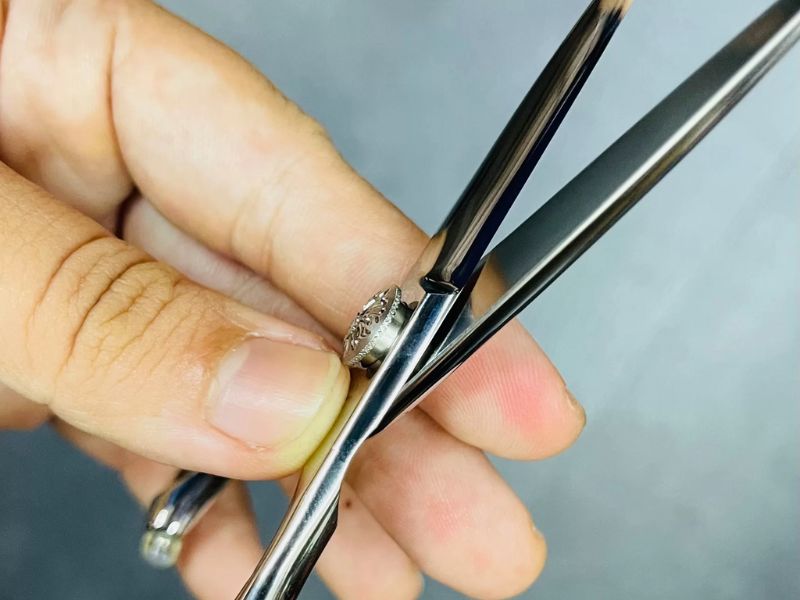
Observe how you feel when using it. Good scissors should feel light, sturdy, stable and not cause fatigue when used for a long time.
Adjusting the hair cutting scissors screw is not complicated, you can completely do it yourself at the salon or at home in just one minute. Below are the basic steps to help you operate quickly and accurately.
First, hold the scissors vertically with the tips pointing up. Use your thumb to open the static blade all the way, then let go to let the blade close automatically under the influence of gravity. Observe where the blade stops.
If the blade stops at about 11 o’clock—not fully closed but slightly open—the screw tension is perfect. If the blade snaps shut completely, the shaft is too loose. If the blade can’t close and stays in the middle, the screw is too tight.
Place the scissors on a flat surface with a towel to avoid scratching. Hold the blades firmly with your hands, then use a screwdriver to adjust the nut. If you want to loosen, turn the screwdriver counterclockwise about 1/8 turn. Then gently tighten clockwise to create balance.
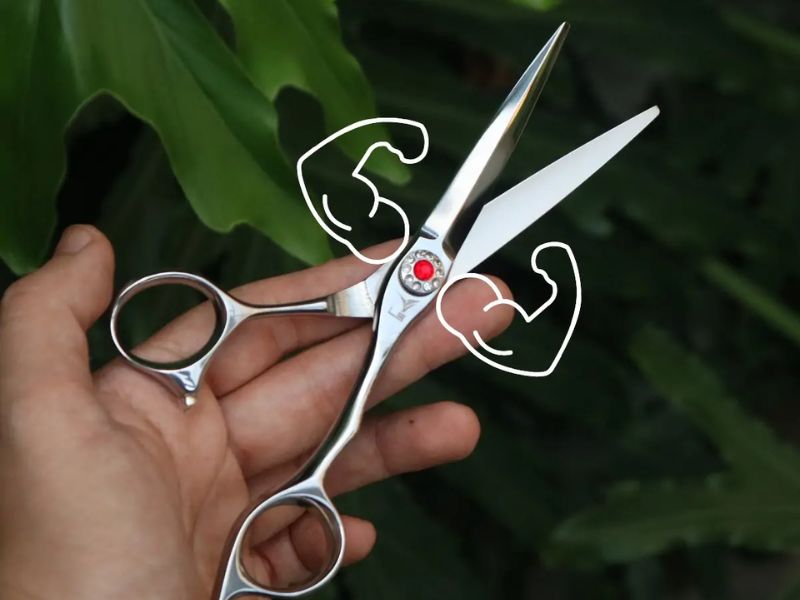
Once you’ve adjusted, go back to the tension check step to make sure the blade stops in the ideal position. Repeat if it doesn’t. This takes less than a minute and helps ensure your scissors are working at their best.
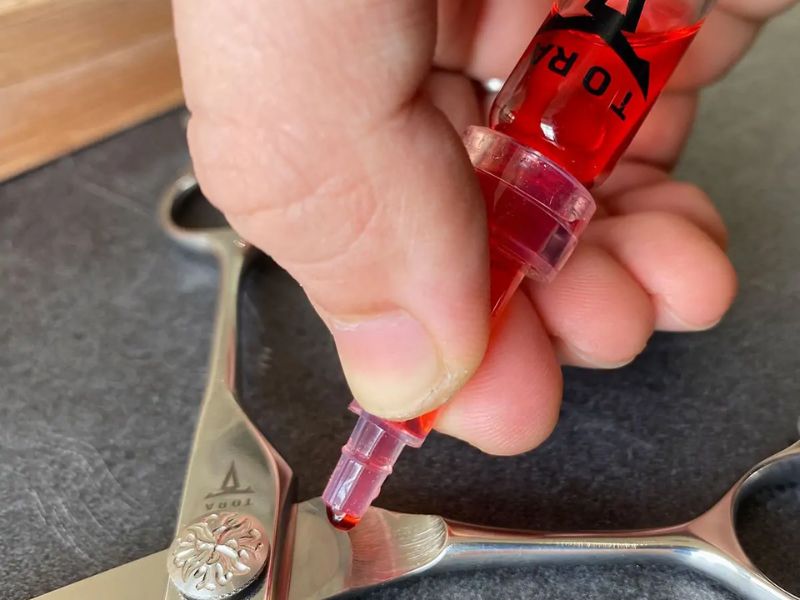
Another important step is to lubricate the shaft. Just put a few drops of specialized oil on the joint, then gently open and close the scissors a few times to let the oil penetrate evenly. Then, wipe off the excess oil with a dry cloth. This helps reduce friction, protects the shaft from oxidation and keeps the scissors running smoothly like new.
Here is a video tutorial on how to properly align the screw according to a hair industry expert.
If you leave the screw shaft too loose, the two blades will no longer fit together precisely, causing vibration and causing hair to be pulled, tangled or not cut smoothly. In addition, the blades will be subjected to unnecessary impact, leading to rapid wear and reduced lifespan.
On the other hand, if you tighten it too much, you will feel the weight and the screeching when you open the scissors. Cutting your hair becomes more difficult, and you are forced to use more force, which not only makes your hands tired but can also chip the blades due to too much friction.
Therefore, always maintain the ideal tension on the screw shaft to both protect the health of your hands and ensure a smooth and precise scissors experience.
During operation, hair, dirt and styling chemicals easily accumulate in the shaft slot. If left for a long time, they will cause jamming, reduce accuracy and cause unpleasant sounds. You should use a soft brush or cotton swab to gently clean the joint, then wipe it with a clean cloth.
Regular cleaning not only helps the screw shaft operate stably but also prevents corrosion and rust due to chemical accumulation.
Every 10–20 working days (or immediately after a fall), you should recheck the shaft torque. A “light” or “heavy” feel will be the initial signal. Use the test method from step 1 to determine how much adjustment is needed.
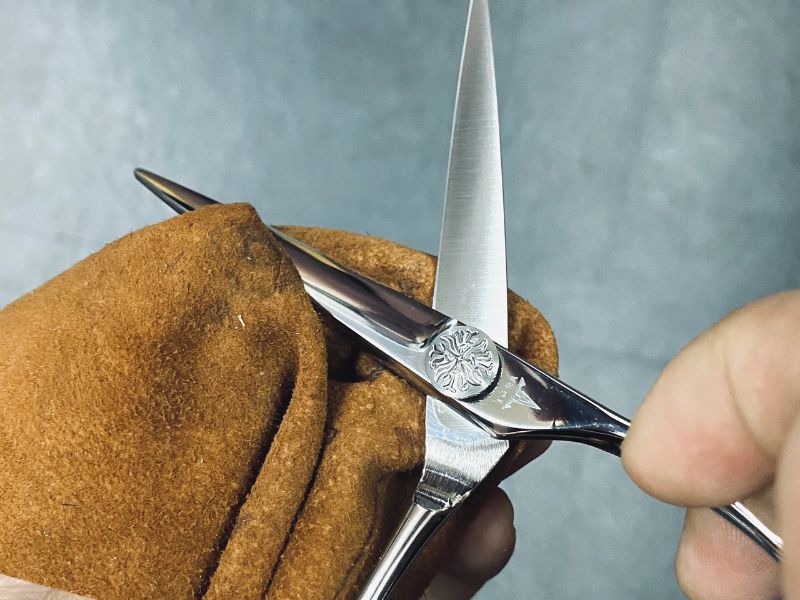
If you use different types of shears, be sure to consult each brand's individual adjustment instructions – as each brand may design the screw shaft differently.
A good pair of scissors is an indispensable companion in the journey of professional hairdressing. But if you forget to check and adjust the screw periodically, the scissors will no longer be a valuable assistant but can become a silent "nuisance". Adjusting the screw of hair cutting scissors not only helps you make more precise cuts but also protects your hands from feeling sore when working for a long time.
Created At 2025-08-25 13:17:44 - Updated At: 2025-12-06 11:29:36
Share to websites :





Best seller
12,000,000 đ
5,000,000 đ
4,000,000 đ
6,800,000 đ
3,350,000 đ

We use cookies to make our site work well for you and so we can continually improve it. The cookies that are necessary to keep the site functioning are always on

